
Long-Distance Moving Logistics: Timing, Vehicles & Address Changes
Master long-distance moving logistics: timing your move, prepping your vehicle for transport, updating your address, and tips for frequent movers.
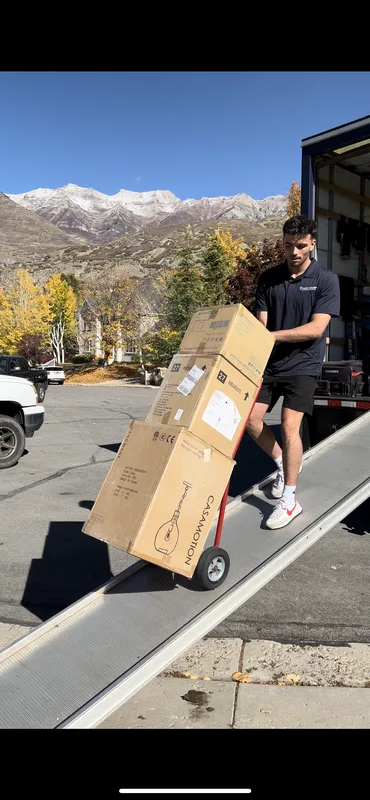
A long-distance move is really a series of logistics problems stacked on top of each other. When you go, how you get your vehicles there, who needs your new address, and how to stay sane if you do this often all have to be solved more or less at once. Get those pieces right and the move feels manageable. Get them wrong and even a short hop across town turns into a headache.
As a family-owned moving company in Orem, we have walked Utah families through every version of this. Below we have pulled together the logistics that matter most: timing your move around peak season, preparing a vehicle for transport, deciding whether downsizing is worth it, updating your address, and the hard-won habits of people who move all the time.
Timing Your Move Around Peak Season
Peak moving season runs roughly from May through September. During those months, moving companies and supplies are in high demand, housing competition heats up, and prices climb. A little strategy goes a long way.
Plan Early and Build a Timeline
As a rule of thumb, start planning two to three months out. Create a detailed timeline covering everything from packing to booking services so you stay organized and avoid last-minute panic. If you do not have months of notice, start as early as you can and still build that timeline, especially if scheduling is not your strong suit.
Research Movers and Book Early
The best Utah moving companies fill up fast in summer. Research early, read reviews, gather quotes, and book as soon as you have chosen a reputable company. Securing your spot is one less thing to worry about.
Notify the Right People in Advance
Give your landlord, utility companies, and other relevant parties plenty of notice so services transition smoothly. This is easy to forget, so leave yourself reminders.
Budget Wisely, Including Hidden Costs
Peak-season demand drives up the price of movers, packing materials, and rental trucks, so pad your budget. Then account for the costs people forget: tips for the movers, meals during the move, and temporary lodging if you need it. Getting quotes from several companies helps you understand the going rate and negotiate, just be sure to ask about additional fees.
Stay Flexible With Your Date
Mid-week and mid-month moves tend to be cheaper and less hectic than weekend or end-of-month moves. If you can avoid a Saturday, do it. And always keep a backup plan in case of delays, whether that is an alternate mover, extra lodging, or a storage option.
Declutter Before You Pack
Moving is the perfect excuse to purge. Sort your belongings and decide what is worth taking versus what has been collecting dust. Hold a yard sale for the sellable stuff and pocket some cash toward the move, and donate anything in good condition to a local charity, many of which will even pick up from your home.
Pack Smart
Start early with the things you rarely use and work toward daily essentials. Label every box with its contents and destination room so unpacking is painless and movers know where things go. Then pack an essentials bag with pajamas, a change of clothes, toiletries, important documents, and basic kitchen supplies, and keep it in your vehicle so you are not digging through boxes when you are exhausted.
Consider Alternative Move Styles
Moving containers are a budget-friendly option: a company drops one off, you fill it at your own pace, and they haul it to your destination. A hybrid move is another approach, where pros handle the heavy items and the truck while you transport smaller things yourself.
Take Care of Yourself
Moving is physically demanding, especially in the summer heat, so stay hydrated and take breaks. Do not be afraid to ask friends and family for help. An extra set of hands makes everything smoother, and packing sentimental items together can even be a way to bond.
Preparing Your Vehicle for Transport
A long-distance move often means deciding what to do about your car. Driving hundreds of miles through remote desert is not appealing, you may be crossing an ocean, or you may simply have more vehicles than drivers. Avoiding the added miles is one of the top reasons people ship a car instead of driving it.
Start by finding reputable long-distance movers who partner with licensed car shippers. A full-service company that handles packing, moving, storage, and vehicle transport is far simpler than coordinating several vendors. Once you have booked, prepare the car with these steps.
- Wash it thoroughly. A clean vehicle makes the pickup inspection accurate and helps you spot any new damage on arrival.
- Remove loose items. Cars get jostled in transit, so clear out fresheners, spare change, chargers, and anything unsecured.
- Take out your toll device. Leave it in and you will be charged every time the carrier passes a toll point.
- Turn off the alarm. Your driver and everyone nearby will thank you.
- Leave the gas low. No one is driving it far, so keep the tank one-eighth to one-quarter full to reduce weight; there is no need to drain it.
- Check for leaks. Inspect the undercarriage. A leak can get your car refused, and fixing it protects the vehicles loaded below yours.
- Check tire pressure. Over- or under-inflated tires raise the risk of damage.
- Remove custom accessories. Spoilers and other odd-sized add-ons are vulnerable, so take them off.
- Photograph the whole car. Shoot every angle in good light so you have proof if damage occurs.
- Photograph the odometer. This is peace of mind that no one takes a joy ride; lock the doors once it is loaded.
- Park somewhere easy to access. Transport trucks are huge. Give them room, and meet in a large empty lot if your street cannot accommodate one.
If your car is brand new and has no plates yet, do not worry, plates are not required for transport. As with any mover, request and compare quotes ahead of time so you can budget accurately.
Is Downsizing Worth It?
A long-distance move is often the moment people finally downsize. To downsize simply means buying a smaller home than your current one, and it is a common, smart choice for empty nesters, retirees, and anyone wanting to simplify. Before you commit, weigh both sides.
On the plus side, downsizing lets you collect the equity you have built, often enough to buy the new place in cash and live mortgage-free. A smaller home means less cleaning and lower utility bills, freeing up both time and money. Single-level homes without stairs suit aging adults far better, and the move itself is a perfect excuse to declutter.
The downsides are worth a hard look, too. You may struggle to adjust to less space and storage. The stress of moving itself can be reason enough to stay put for now. Sometimes the math does not work, if smaller homes in your area are not much cheaper than your current one, the hassle may not pay off. And in a tight market, attractive options may simply not be available.
Before taking the plunge, ask yourself: What are my real reasons? Does the idea bring me peace? Where do I want to live? Will it genuinely be worth it, and am I willing to make any sacrifices it requires? If the pros win out, start preparing by tossing, donating, or selling anything you will not miss.
Updating Your Address
Of all the small tasks a move involves, updating your address is the one most likely to slip through the cracks, and one of the most important. Beyond receiving mail on time, a current address keeps bills and documents reaching you, satisfies legal requirements like voter registration and taxes, and reduces the risk of identity theft.
Before the move, build a complete list of everyone to notify: family and friends, your employer, banks and credit card companies, government agencies like the IRS and Social Security Administration, subscription services, and utility providers. File a change-of-address form with USPS to forward your mail, usually for about 12 months. Update your driver’s license or state ID with your local DMV, and contact utilities to schedule transfers or installations so there are no service gaps.
During the move, unpack your essential documents first, including ID cards, insurance policies, and anything you will need to update. Then log into your online accounts for banking, shopping, and social media to change your address so notifications keep flowing.
After the move, cross-reference your list and reach out to anyone you missed, perhaps with a mass email or social post. Update subscriptions, memberships, and loyalty programs, and if you moved to a new state, verify your voter registration through your state’s election website. Throughout, stay organized with a checklist or spreadsheet, lean on online forms to move quickly, and start as soon as your moving date is confirmed.
Smart Habits for Frequent Movers
If your career, family, or sense of adventure keeps you moving every few years, a few habits make each move easier.
Keep your moving boxes. Break down a set of flatpacks and store them under a bed or in the garage so you are not buying new ones every time, and pack the same items into the same boxes to save on relabeling. Only unpack what you will actually use; seasonal gear can stay boxed, and a nearby storage unit can hold what you do not need. Be strategic with furniture, favoring smaller, lighter pieces that fit any space over a king bed and giant sectional you have to haul around. Invest in quality versions of the essentials that follow you everywhere, like microwaves, toasters, and bath mats, since reusing good pieces beats buying cheap ones repeatedly and helps a new place feel like home. Declutter every single time, emptying that junk drawer before you go. And pack both a meal bag of easy travel food and a next-day kit with a change of clothes, toiletries, and a phone charger so your first night is comfortable.
The thread running through all of it is the same: the logistics get dramatically easier when you hire professional movers. If your job covers part of a relocation, put those funds toward full-service movers. Most people who make the switch never look back. Whether you need a residential move, vehicle transport, packing services, or long-distance help, our team at Utah’s Moving & Storage would love to handle the logistics so you can focus on the adventure ahead.
Planning a move in Utah?
Get a free, no-obligation quote from a 4.9-star local team.
Explore our long-distance moving across the Wasatch Front.