
Hiring Movers vs. DIY: Is It Worth It? (Plus Costs & Insurance)
Should you hire professional movers or do it yourself? Compare real costs, the risks of going cheap, and what moving insurance does and does not cover.
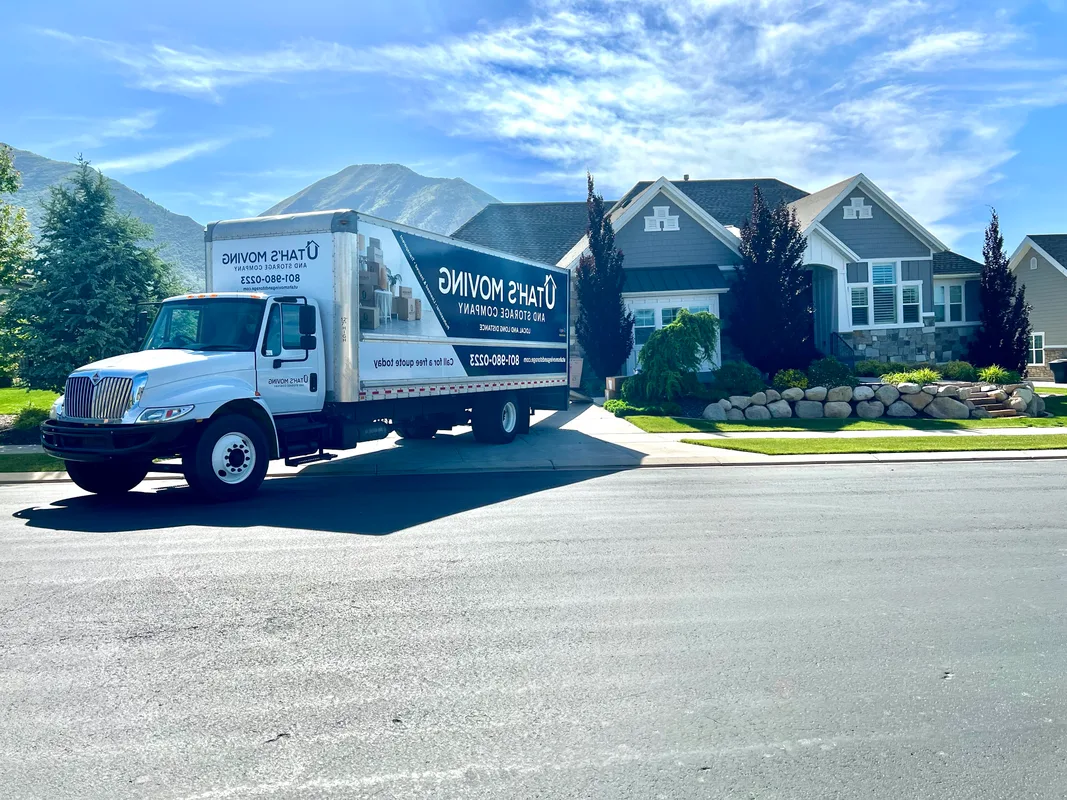
Every move comes down to one early decision: do you hire professional movers or rally a few friends and do it yourself? Both paths can work, and the right answer depends on your budget, the size of your move, and how much stress you are willing to take on. This guide walks through the real differences, the true cost of each option, the hidden risks of choosing the cheapest mover, and how moving insurance actually works so you can decide with clear eyes.
DIY vs. Professional Movers: The Honest Comparison
A do-it-yourself move is almost always cheaper up front. You pay for a rental truck and gas, and the labor is free if your friends show up. For a small local move, that can be the right call.
Hiring professionals costs more but buys you time, safety, and peace of mind. Professional movers do all the heavy lifting, disassemble and reassemble furniture, and know how to maneuver a couch through a tight stairwell without gouging the wall or your antique dresser. They have seen the impossible-to-pack mirror, the delicate artwork, and the awkward grandfather clock, and they have the equipment and technique to move it all safely.
To decide which fits your move, ask yourself a few honest questions:
- Are family or friends actually available and able to help?
- Do you have a truck, or someone who can lend you one?
- Will you need help with heavy furniture and appliances?
- Are you moving fragile or high-value items?
- Do you have heavy or oversized items like large furniture or appliances?
If you are answering “yes” to the harder questions, hiring professionals is usually worth it.
What Professional Movers Actually Do for You
The value of a moving company goes well beyond muscle. Here is what you are really paying for.
Peace of mind. Nothing is worse than unpacking and finding chips and cracks in your furniture. Professionals have the experience and equipment to move your belongings safely, and they can help with logistics like timelines, supplies, and last-minute packing.
Dependability. Top movers show up when they say they will. If you have to be out by a certain date or settled before work starts Monday, an experienced company schedules the move and sticks to the plan.
Accountability. When you use a licensed and insured company, someone is responsible if something goes wrong. Ask a friend to help with your fine china and a broken plate becomes an awkward conversation; with professionals, it is a covered claim.
Efficiency and organization. Movers have a workflow that gets everything packed, labeled, loaded, and delivered in order and far faster than you could on your own.
Safety. Heavy lifting is where DIY movers get hurt. Letting trained crews handle the load protects your back and saves you from possible medical bills and time off work.
Cost savings you might not expect. Because professionals pack carefully, fewer items break in transit, so you replace less. Many companies also partner with storage providers, which can cut your overall moving costs.
A hassle-free day. Murphy’s Law loves moving day. Skilled movers are prepared for the truck that is too small, the lamp that almost tips, and the roll of tape that runs out, so the little hiccups never become big problems.
What a Local Move Really Costs
For local moves, companies usually charge by the hour and factor in travel time and fuel. The average local mover runs about $25 to $50 per hour, per mover, and a typical local move lands somewhere between $300 and $1,500 depending on distance, size, and the company. As a rough guide:
- Studio apartment: two movers, about three hours, around $240
- Two-bedroom apartment: three movers, about five hours, around $600
- Three-bedroom home: four movers, about seven hours, around $1,130
Remember to add gas, travel time, and any special-item charges. For longer or labor-heavy moves, professional crews often charge in the range of $60 to $80 per hour with a minimum number of hours.
A few ways to keep local moving costs down: declutter so you only move what you need, pack and label boxes yourself before the crew arrives, and haul small items like clothes, shoes, and books in your own car. As for tipping, it is never required, but $4 to $5 per hour per mover, or 5 to 10 percent of the total, is a generous thank-you for great service. Check your contract first, since some companies build gratuity into the price.
The Real Risks of Hiring the Cheapest Mover
It is tempting to grab the lowest quote, but rock-bottom pricing often comes with strings attached. Here is what cutting corners can cost you.
Lower quality and more damage. Inexperienced crews may not know how to protect your belongings, which leads to broken items and dings on the walls of your new home.
Unreliability. A bargain company may simply not show up, leaving you stranded on moving day with a truck full of nothing.
Inadequate insurance. Cheap movers may lack proper coverage, meaning damage or loss becomes your financial problem. Always confirm insurance and licensing before you sign.
Hidden and add-on fees. A low headline price can hide a long list of extras: fuel and mileage charges, furniture assembly fees, surcharges for heavy or unwieldy items, and even charges for basic equipment like dollies and padding. Some companies “start the clock” the moment the truck leaves their lot rather than when they arrive at your door.
Untrustworthy crews. Companies that skimp on price often skimp on hiring, skipping background checks and proper vetting.
The takeaway is not that cheap always means bad. Affordable, professional movers do exist. The key is research: get several quotes, read reviews, ask about every fee, and confirm licensing and insurance before you decide. Peace of mind is worth far more than the few dollars you might save.
How Moving Insurance Works
If you do hire professionals, understanding coverage helps you choose the right level of protection. Technically, moving companies sell “moving coverage,” while true “insurance” comes from third-party providers, but most people use the terms interchangeably. Interstate movers are federally required to offer two coverage levels, and a third option exists for high-value items.
Basic Coverage (Released Value Protection)
This is the most limited option and is included free in your quote, so you should never pay extra for it. If a company charges separately for basic coverage, that is a red flag. It reimburses roughly 60 cents per pound, per item. To put that in perspective, a 35-pound, 50-inch TV would be covered for only about $21. Basic coverage can be enough for short local moves or low-value belongings, but it falls short for most households. Note that all coverage is void on items you pack yourself.
Full-Value Protection
Full-value protection covers the replacement value of lost or damaged goods and typically costs about 1 percent of your items’ total value. The math is straightforward: if your shipment weighs 5,000 pounds and the company values it at about $6 per pound, that is a $30,000 valuation, and your coverage would cost roughly $300 (1 percent). This is the level we recommend for cross-country moves, where weather and distance add risk.
Third-Party Insurance
For expensive jewelry, antiques, fine art, and other high-end pieces, third-party insurance fills the gaps. It can cover situations a mover’s coverage will not, including:
- Damage from natural disasters
- Electrical or mechanical accidents
- Mold and mildew
- Insect damage
- Temporary storage
Cost typically ranges from 1 to 5 percent of the valuation. Many families pair third-party insurance on their valuables with full-value protection on everything else.
What Movers Do Not Cover
Even good coverage has limits. A moving company is generally not responsible for:
- Anything you packed yourself (if they did not pack it, the coverage is void)
- Damage from natural disasters
- Items damaged in storage the company is not associated with
Only third-party insurers cover those situations. It is also worth calling your homeowner’s insurance provider, since some policies offer total-loss, trip-transit, or relocation coverage. Just know that filing a claim could raise your premiums, so weigh that before relying on it.
The Bottom Line
DIY can save money on a small, simple move with willing help and a borrowed truck. But for larger moves, fragile or specialty items, or anytime your time and back are worth protecting, professional movers earn their cost in speed, safety, and accountability. Whichever you choose, get multiple quotes, read the reviews, confirm licensing and insurance, and pick the coverage that matches the value of your belongings.
At Utah’s Moving & Storage, we are a family-owned, licensed company that believes in transparent pricing and treating your belongings like our own, which is part of why our customers rate us 4.9 stars. If you are weighing your options, reach out. We will walk you through the costs and coverage so you can make the right call for your move.
Planning a move in Utah?
Get a free, no-obligation quote from a 4.9-star local team.
Explore our residential moving across the Wasatch Front.